
The laser scanning revolution in interior design projects: The power of error-free surveying and precise measurement
- KG-Blogger

- Feb 7
- 2 min read
In the world of interior design and construction, time is as valuable a resource as budget. Especially when converting or renovating an existing building (interior design), the success of the project depends on one crucial factor: a precise understanding of the existing situation.
Conventional measuring tapes and laser distance meters are no longer sufficient for today's complex designs and tight deadlines. This is where laser scanning surveying technology comes into play and is revolutionizing the industry.

Why is "precise measurement" so important in interior design projects?
Interior finishing projects refer to the design of a building whose shell construction is already complete. Furniture, ceiling systems, and wall coverings must fit with millimeter precision. If the dimensions are inaccurate, for example, the expensive wooden panel or the custom-made counter from the workshop won't fit.
Laser scanning creates a digital twin of a room by measuring millions of points per second. This eliminates human error in precise measurement and creates an "exact replica of reality".
From data to project: 2D plans, sections and views
The point cloud data captured by the laser scanner is converted into processable, high-precision maps for architects and engineers. Thanks to this technology:
2D plan: The actual angles of the walls, the exact positions of the columns, and all protrusions or recesses are clearly shown.
Cross-section: Ceiling voids, sagging beams and differences in floor level are immediately recognizable.
Appearance: Facade or interior wall details are documented, as are all sanitary installations.
These results bridge the gap between the designer's vision and what is achievable in practice.
Complex structures and detailed solutions
Not every building is straight and rectangular. Creating complex structural connections, especially in historical buildings or modern, amorphous architecture, is virtually impossible with conventional methods. Laser scanning detects curved walls, deformed floors, and structural deviations that are invisible to the naked eye.
In this way, we don't assume a "flat surface" during the planning phase, but rather take into account the fact that there is a deviation of 3 degrees. The result? Flawless installation on the first attempt, without any demolition or dismantling work on site.
Keeping the big picture in mind: Relationship between site plan and environment
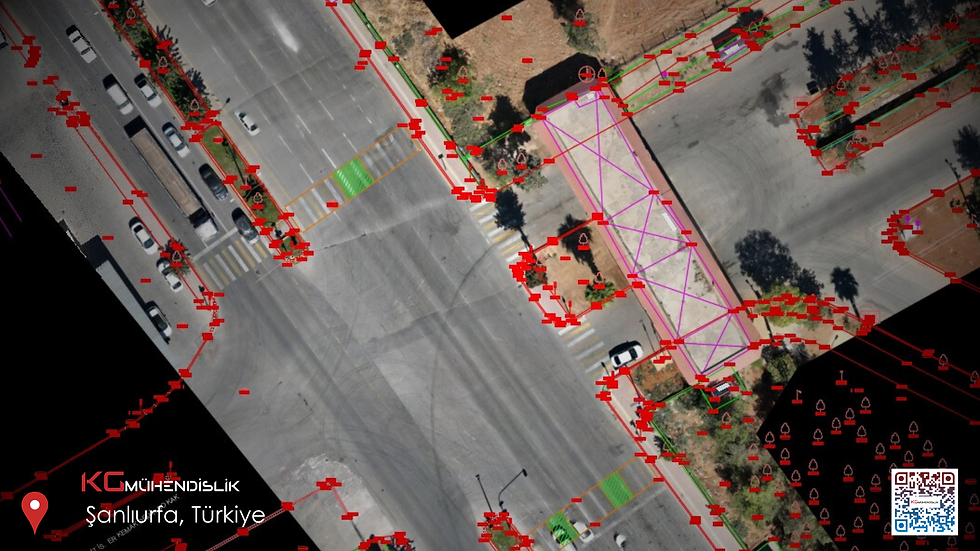
Laser scanning captures not only the interior spaces but also the building's relationship to its surroundings. The building envelope, entrance levels, and exterior areas are scanned to create a detailed site plan. This enables a holistic project approach, from logistics to facade renovations.
Conclusion: Investment, not costs
At first glance, laser scanning services may seem like an additional expense. However, considering the material loss due to faulty measurements, the time lost in the field, and the costs of rework, laser scanning surveys represent a kind of insurance for the project.
If you value speed, reliability and quality in your interior design projects, it's time to put away the tape measure and rely on the precision of a laser.


Comments